
Build your career in Finance and Mortgage Broking
If you want a career that combines people skills, problem-solving, finance knowledge and real long-term potential, finance and mortgage broking is an industry worth considering.

This industry offers more than one job outcome. You could work directly with clients as a Mortgage Broker or Finance Broker, or begin in operational roles such as Parabroker, Loan Processor, Broker Support Officer, Settlements Officer or Credit Analyst.
For school leavers, career changers and people returning to work, it can offer a practical pathway into financial services without needing to follow a traditional university route.
Why people are choosing this industry
- Strong demand across Australia
- Multiple career entry points
- Opportunities in both client-facing and support roles
- Pathways into self-employment and business ownership
- Flexible working hours around personal and family commitments
Why the Finance and Mortgage Broking industry matters
The mortgage and finance broking sector plays a major role in Australia’s lending market.
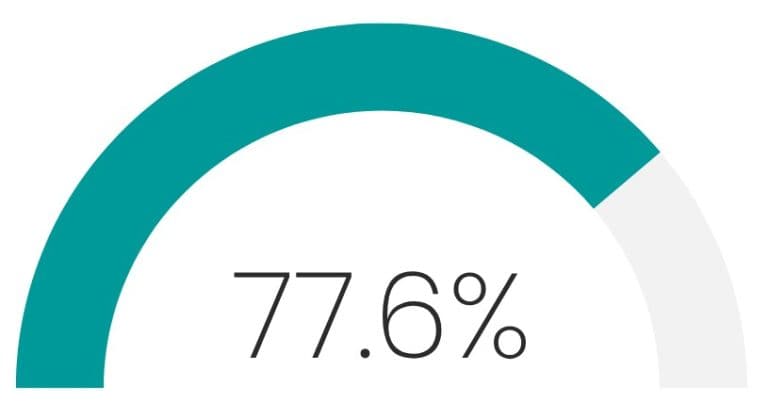
Mortgage brokers now arrange 77.6% of all new residential home lending in Australia in the June 2025 quarter, the highest level on record. In that quarter alone, brokers facilitated $121.58 billion in new home loans.
Deloitte’s 2025 industry report for the MFAA also found the sector supported 37,349 direct and indirect jobs, contributed $4.1 billion in economic activity, and arranged 75% of new residential loans in 2024.
For people considering a career in finance or mortgage broking, that scale points to a well-established industry with visible demand, broad employment pathways and long-term relevance.
What do Finance and Mortgage Brokers do?
Finance and Mortgage Brokers help clients find, compare and secure lending solutions that suit their needs and circumstances.
Depending on the role and specialisation, they may:
- build client and referral partnerships
- assess borrowing needs, goals, and repayment capacity
- research and compare suitable lending products
- explain options clearly and help clients make informed decisions
- prepare and submit loan or lease applications
- liaise with lenders, clients and third parties through to settlement
- provide ongoing after-settlement support
- refer clients to related services where appropriate
In Australia, finance brokers operate as independent professionals who help match clients with suitable finance products based on their goals and eligibility.
Mortgage Broker vs Finance Broker:
What is the difference?
Mortgage Broker
Mortgage Brokers usually focus on residential lending. They commonly help clients to:
- buy a home
- build a property
- refinance an existing home loan
- purchase residential investment property
Their work is usually focused on consumer home lending and residential property finance.
Finance Broker
Finance Broker is a broader industry term. Finance Brokers may work across:
- equipment finance
- motor vehicle finance
- commercial loans
- business lending
- cashflow and working capital solutions
- personal lending
- home lending in some cases
In simple terms, mortgage broking is typically residential-property focused, while finance broking can extend across consumer, commercial and asset finance.
Career opportunities in Finance and Mortgage Broking
A qualification in Finance and Mortgage Broking can support entry into a wide range of roles across brokerages, aggregators, lenders and finance businesses.
Mortgage Broker
Mortgage Brokers work directly with clients seeking residential home loans, refinancing or investment lending.
Indicative salary: $100,000 to $120,000 for salaried roles in Australia.
Earnings for self-employed or commission-based brokers can vary significantly depending on settlements, trail income and business model.
Finance / Asset Finance Broker
Parabroker / Loan Processor
Loan Administrator / Broker Support Officer
Credit Analyst / Credit Assessment Roles

How to become a Finance or Mortgage Broker in Australia
The Finance and Mortgage Broking industry is regulated by the Australian Securities and Investments Commission (ASIC). For professionals who provide third party home loan lending advice to retail consumers, ASIC sets the minimum qualification benchmark through its credit licensing and competence framework.
In practice, this means the FNS40821 Certificate IV in Finance and Mortgage Broking is commonly regarded as the minimum entry-level qualification for new entrants.


However, in many cases, broker groups, aggregators, professional associations and lenders expect new entrants to complete the FNS50322 Diploma of Finance and Mortgage Broking Management, either before joining or within a set timeframe after entry.
Brokers who provide consumer credit assistance must also operate either under their own Australian Credit Licence (ACL) or as a Credit Representative of a licence holder, such as an aggregator or broker group.
Understanding the industry structure
Industry Associations
Aggregators
Aggregators act as the link between brokers and lenders. They typically provide:
- access to lender panels
- technology platforms
- compliance support
- commission processing
- business support and onboarding
Mentors
Mentoring is often important for people who are new to the industry and building lending experience.
Mentor programs commonly run for around two years to help new brokers develop confidence and capability in real-world practice.
Start your pathway with the right training provider

At AAMC Training, we help students develop the practical knowledge and industry understanding needed to build a career in finance and mortgage broking.
Our training supports a wide range of learners, including those entering the industry for the first time, bankers transitioning into mortgage or finance broking, and accountants and financial planners looking to expand into broker-related service pathways.
Depending on your preferred learning style, we offer:
- flexible self-paced online study
- scheduled monthly virtual classes for additional support
- weekly assessment support sessions with trainers and assessors
Our nationally recognised finance and mortgage broking qualifications are designed to support practical, industry-relevant learning. By working closely with industry stakeholders, we deliver job-focused training that helps students build confidence, capability and clear career direction.
Frequently Asked Questions
What is the difference between online study and virtual classes?
Online study is flexible self-paced learning. Virtual classes provide additional guided support through scheduled Zoom sessions, helping students better understand the course content and assessment requirements.
Do I need to complete a Certificate IV before the Diploma?
No. If you are ready for the study load, you may enrol directly into the Diploma.
What support do students receive?
Students receive trainer guidance, assessment support and access to regular support sessions designed to help them stay on track and complete their studies with confidence.
Are these courses suitable for students returning to study?
Yes. Many students are returning to formal study after time away. A clear course structure and ongoing support can make that transition more manageable.
Can this industry lead to self-employment?
Yes. Many professionals begin in support or employed roles, gain experience and industry contacts, then move into self-employment or brokerage ownership later.